
Clear communication is the backbone of every safe, well-run school campus. Having a modern PA speaker system provides that. Whether it’s a morning announcement, a schedule change, or an emergency instruction, your PA system, often simply called a pa system, is the one tool that needs to work, every time, for every person on campus.
Here’s the reality: a large number of schools across the country are still operating intercom systems that are 20 to 30 years old. These systems were never built for today’s safety standards, today’s campus layouts, or today’s technology expectations. They’re aging out, and in many cases, they’re already failing.
Modern school PA systems and school speaker systems have fundamentally changed. A modern pa speaker system no longer requires expensive dedicated wiring or complicated head-end equipment. Today’s best systems run over your school’s existing network infrastructure, the same wired and wireless network your staff and students already use every day. That makes them easier to install, simpler to manage, and far more reliable than the legacy systems they replace.
School Safety Starts with Communication
When an emergency happens on a school campus, the most critical factor in the outcome is how quickly and clearly people receive instructions. Audio communication remains the fastest and most effective way to reach students, teachers, and staff across an entire building or campus in real time.
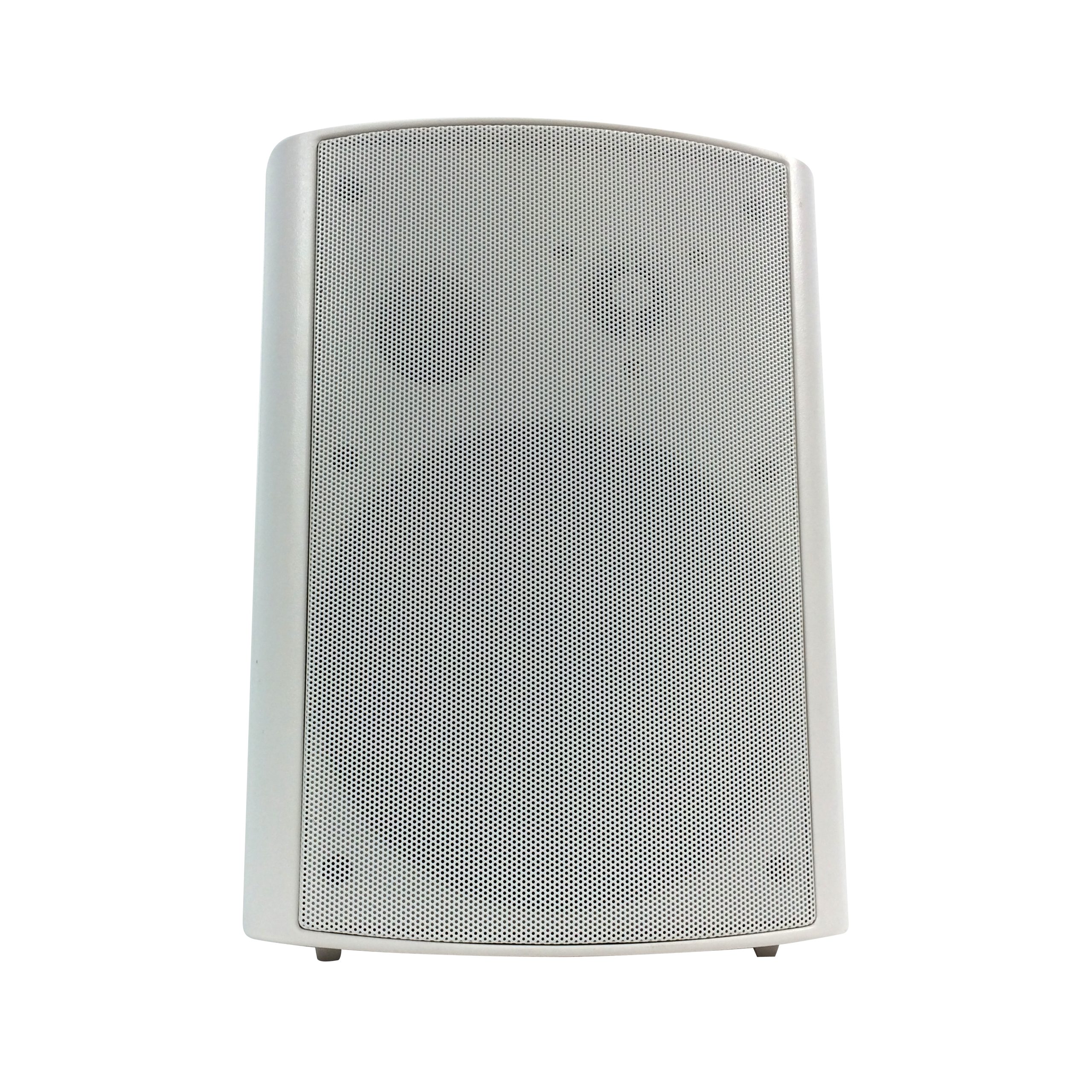
A modern school PA speaker system for emergency communication gives administrators the ability to broadcast clear voice instructions instantly, to individual classrooms, to specific zones or buildings, or to the entire campus at once. Whether you’re responding to severe weather, a security threat, or a campus-wide operational issue, the ability to communicate clearly and immediately makes a measurable difference.
This isn’t a luxury feature. It’s a fundamental part of campus safety planning.
Everyday Operations Run on Your PA System Too
Emergency readiness gets most of the attention, but the truth is, your school’s PA system is working hard every single day, even when nothing is wrong.
Schools rely on their PA systems for:
- Morning announcements and daily reminders
- Schedule changes and early dismissal alerts
- Lunch menu and assembly notices
- Class change bells and dismissal tones
Many modern systems also include built-in bell scheduling, allowing administrators to fully automate class periods, lunch rotations, and end-of-day dismissal using bell tones, chimes, or even custom recorded audio messages. When bell scheduling is unreliable, the entire rhythm of the school day is disrupted. When it works seamlessly, nobody notices, and that’s exactly the point.
Your PA System Has to Cover More Than Just the Building
Students and staff don’t spend their entire day inside four walls. Recess, athletic practices, drop-off and pickup, outdoor events, all of these happen outside the building, often far from any indoor speaker.
A complete school PA speaker system must include outdoor coverage for:
- Playgrounds and athletic fields
- Parking lots and bus lanes
- Courtyards and common outdoor areas
If an emergency announcement goes out but 30% of your students are outside and can’t hear it, your communication system has failed, regardless of how well it works inside the building. In short, your pa speaker system should be audible wherever students gather.
Why Schools Are Moving Away from Traditional Intercom Systems
Traditional analog intercom systems were the standard for decades. But they were designed for a different era of school construction and a different set of expectations. Today, they present real operational challenges:
- Expensive dedicated wiring infrastructure that’s costly to install or expand
- Complicated head-end equipment that requires specialized service technicians
- Limited flexibility when campus buildings are added or reconfigured
- Expensive ongoing maintenance and service contracts
The good news is that most schools already have exactly what they need to support a modern solution: a robust wired and wireless network. Modern network-based PA systems for schools use that existing infrastructure, which dramatically reduces installation costs and ongoing complexity.
Wi-Fi and PoE Speakers: Two Approaches, One Flexible Solution
Modern school speaker systems typically use one of two technologies, or a combination of both:
Wi-Fi Speakers connect directly to your school’s wireless network. They can be placed anywhere on campus with a strong wireless signal and access to power.
PoE (Power over Ethernet) Speakers connect through a single Ethernet cable that carries both power and network connectivity. No separate power outlet is required, which simplifies installation in classrooms and hallways.
Many schools find that a combination of Wi-Fi and PoE speakers gives them the most flexibility, using the infrastructure that already exists in each area of their campus and placing speakers precisely where coverage is needed most. In practice, a wi-fi and poe speaker system can be mixed and matched to suit each building and outdoor area.
Simple, Browser-Based Management
One of the most overlooked advantages of modern school PA systems is how much easier they are to manage day to day.
Instead of complicated control panels or proprietary software, a network-based system can be managed through any standard web browser. Administrators can make live announcements, schedule bells, broadcast pre-recorded messages, and target specific zones or the full campus, all from a computer or, in many cases, from a smartphone connected to the school network.
There’s no specialized training required. If someone can navigate a website, they can manage the system.
5 Signs Your School PA System May Be Overdue for an Upgrade
Most schools don’t realize their communication system is failing until it fails at the worst possible moment. Here are the warning signs to watch for:
- Some classrooms can’t hear announcements clearly, or at all
- Outdoor areas have zero speaker coverage
- Bell scheduling is unreliable or difficult to reprogram
- Repairs require expensive outside service calls
- Your equipment is 15 or more years old
If any of these apply to your school, it’s not a question of whether you should upgrade. It’s a question of when.
Get a Free School Communication Assessment: No Strings Attached
Every campus is different. The number of classrooms, the size of outdoor spaces, the number of buildings, and the existing network infrastructure all affect what the right school PA system looks like for your school specifically.
Innovation Wireless works with K–12 schools, charter schools, private schools, and higher education institutions across the country to implement Wi-Fi and PoE speaker systems that are reliable, easy to manage, and built for how schools actually operate. This includes guidance on school speaker systems and selecting a modern school pa system that fits your campus.
We offer a free school communication assessment, a no-obligation consultation that helps you determine:
- How many speakers your campus actually needs
- The best indoor and outdoor placement for complete coverage
- Whether Wi-Fi speakers, PoE speakers, or a combination is right for your building
Ready to see how simple upgrading can be? Request your free quote today at InnovationWireless.com and connect with one of our experienced team-members.
Innovation Wireless provides speaker systems, synchronized clock systems, and bell schedule solutions for K–12, higher education institutions and other industries nationwide.
Q&A
Question: How do modern PA systems improve safety during emergencies?
Short answer: They let administrators deliver clear, real-time voice instructions instantly to the right people, an individual classroom, a specific zone or building, or the entire campus. Because audio is the fastest way to reach everyone at once, this immediate, targeted communication makes a measurable difference during severe weather, security threats, or campus-wide operational issues. It’s not a nice-to-have; it’s a core element of campus safety planning.
Question: What everyday operations can a modern school PA system handle, and how is it managed?
Short answer: Beyond emergencies, it supports daily announcements, schedule changes, lunch and assembly notices, and class-change bells/dismissal tones. Many systems include built-in bell scheduling so class periods, lunch rotations, and dismissal can run automatically with tones, chimes, or custom recorded messages, keeping the school day on track. Management is browser-based: staff can make live announcements, schedule bells, play pre-recorded messages, and target zones from any standard web browser, and often a smartphone on the school network, without specialized training.
Question: Do we really need outdoor speakers? Where should coverage extend?
Short answer: Yes. Students and staff spend significant time outside: recess, athletics, drop-off/pickup, and events, so coverage must extend beyond building interiors. A complete pa speaker system includes outdoor speakers for:
- Playgrounds and athletic fields
- Parking lots and bus lanes
- Courtyards and common outdoor areas If an announcement goes out and a portion of the campus can’t hear it, the system has failed. Your PA should be audible wherever students gather.
Question: What’s the difference between Wi‑Fi and PoE speakers, and can we mix them?
Short answer: Wi‑Fi speakers connect to your existing wireless network and only need access to power, making placement flexible wherever there’s strong Wi‑Fi. PoE (Power over Ethernet) speakers use a single Ethernet cable for both power and network, eliminating the need for a separate outlet and simplifying installs in classrooms and hallways. Many schools mix both, using the infrastructure already in each area, to place speakers precisely where coverage is needed most.
Question: How do I know it’s time to upgrade our PA/intercom system?
Short answer: Watch for these warning signs:
- Some classrooms can’t hear announcements clearly (or at all)
- Outdoor areas have no speaker coverage
- Bell scheduling is unreliable or hard to reprogram
- Repairs require expensive outside service calls
- Equipment is 15+ years old If any apply, it’s not a matter of whether to upgrade, only when. Modern, network-based systems use your existing wired and wireless infrastructure, reducing installation costs and complexity while boosting reliability.